As global warming accelerates, the world will become not only hotter, flatter, and more crowded but also thirsty, according to a new study that finds 70 percent of counties in the United States may face climate change-related risks to their water supplies by 2050.
One-third of U.S. counties may find themselves at “high or extreme risk,” according to the report prepared for the Natural Resources Defense Council by Tetra Tech, a California environmental consulting firm.
“It appears highly likely that climate change could have major impacts on the available precipitation and the sustainability of water withdrawals in future years under the business-as-usual scenario,” the study’s authors conclude. “This calculation indicates the increase in risk that affected counties face that water demand will outstrip supplies, if no other remedial actions are taken. To be clear, it is not intended as a prediction that water shortages will occur, but rather where they are more likely to occur.”
Those conclusions are based on climate modeling, predicted precipitation, historical drinking water consumption as well as water use by industry and for electrical generation.
It’s no surprise that states in the hot and dry West faces the highest risk of water shortages. Arizona, California, Nevada, and Texas top the list, though the study also finds that part of Florida could find itself tapped out.
“As a result, the pressure on public officials and water users to creatively manage demand and supply — through greater efficiency and realignment among competing uses, and by water recycling and creation of new supplies through treatment — will be greatest in these regions,” the report states. “The majority of the Midwest and Southern regions are considered to be at moderate risk, whereas the Northeast and some regions in the Northwest are at low risk of impacts.”
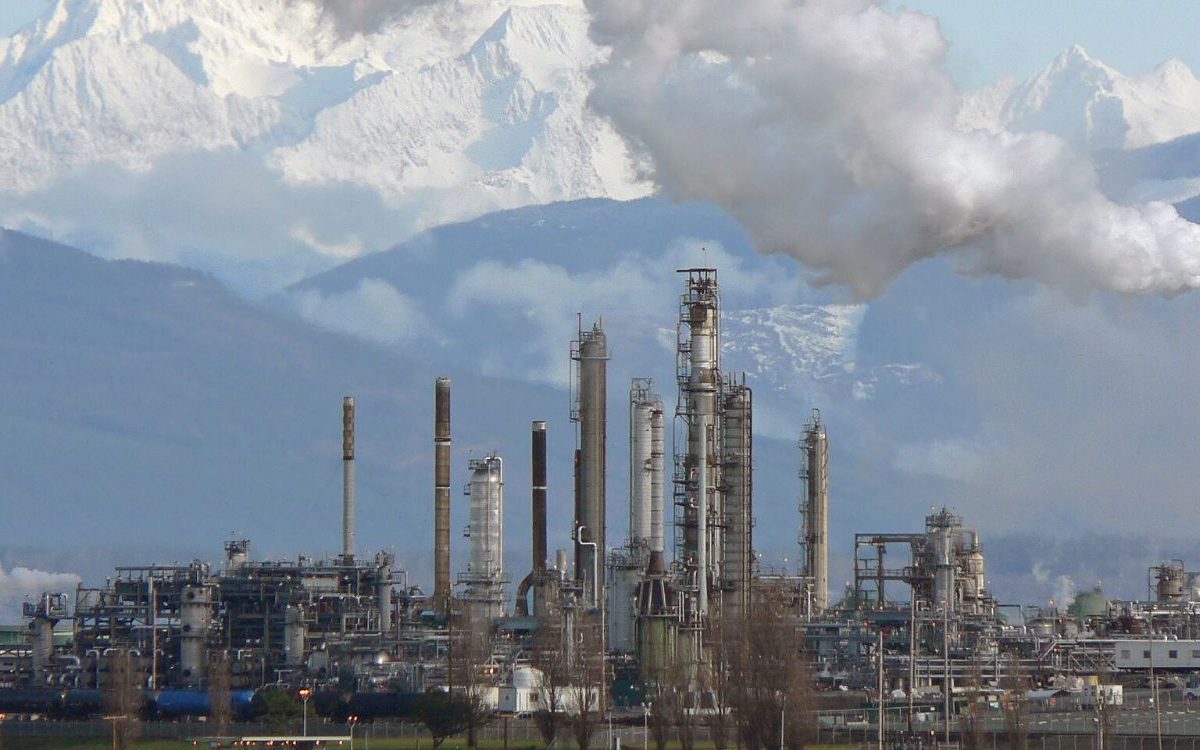
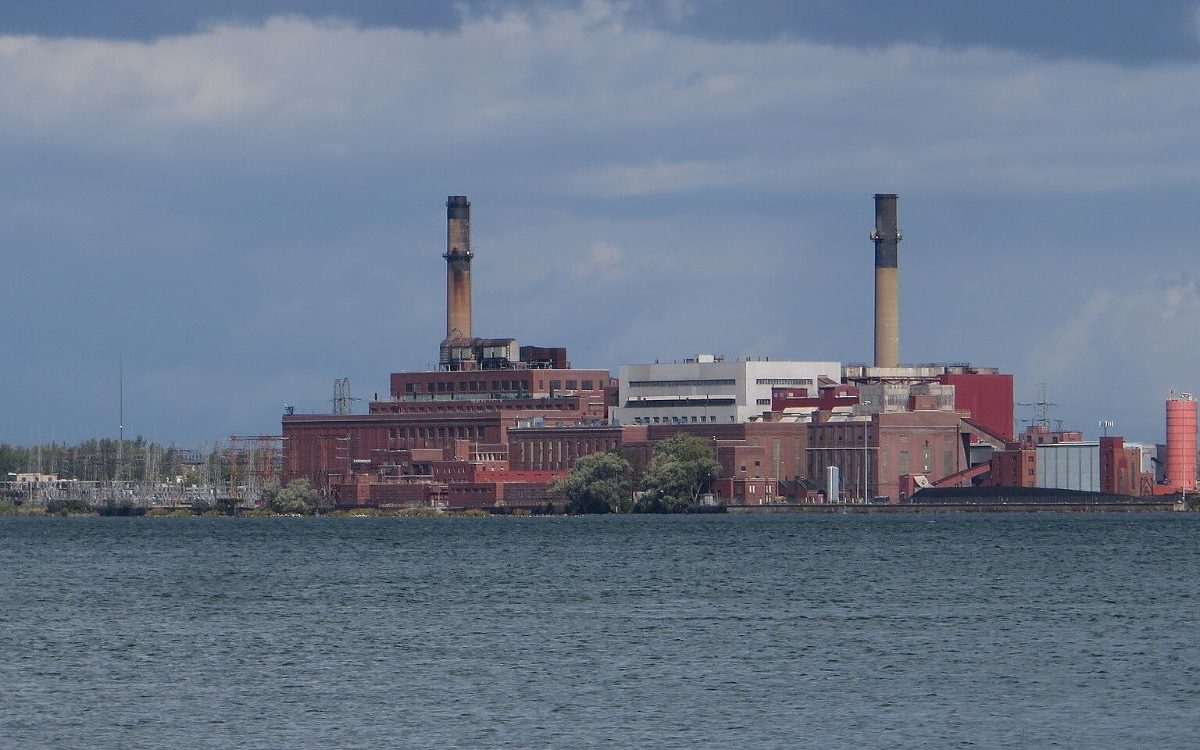
The forecast relies on the continuation of business as usual — i.e. the nation does not change its water-wasting ways — and also on federal government data that predicts the U.S. will continue to use thirsty fossil-fuel power plants to generate electricity.
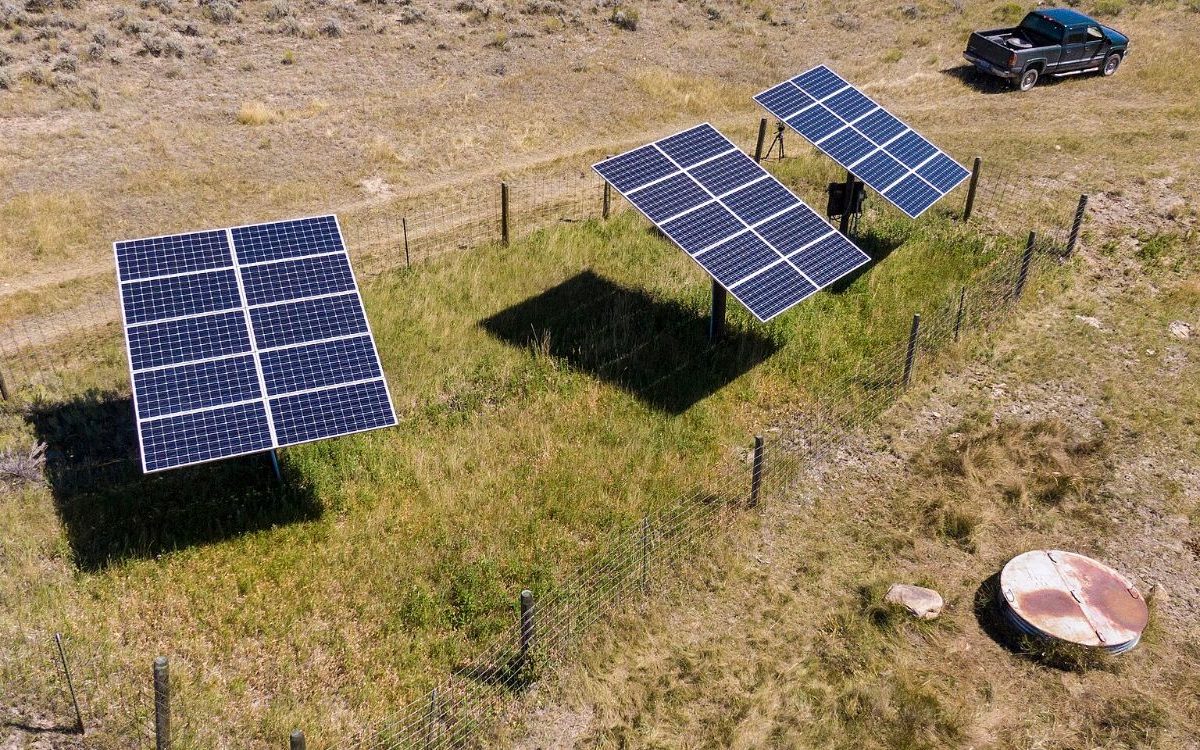
That should whet some appetites for renewable energy sources that use less water and for investment in new water technologies.
I wrote this story for Grist, where it first appeared.


CharlesBarton said:
Although water shortages are frequently mentioned as liabilities for nuclear power, they are potentially a far grater liability for solar thermal electrical generation systems, which are most efficient in areas which are likely to suffer serious from serious water shortages. Like nuclear power plants, Solar thermal generation requires a large amount of water, and water cooling offers the greater efficiency. Air cooling is possible for both solar thermal and nuclear powered generating facilities, but with some efficiency cost. Waste heat from the thermal generation process can be used for desalinization. The use of waste heat for desalinization turns a liability into an asset, and the portable water produced would be very much in demand in dry areas like Southern California. Nuclear power offers superior siting flexibility compared to solar thermal. Nuclear power plants can be located in sometimes cloudy costal areas without efficiency loss. Nuclear power plants have much smaller foot prints than Solar Thermal facilities, and thus are far less environmentally intrusive in sensitive costal areas. At the same time demand for portable water produced by desalinization would typically be high in areas close to sea coasts. Nuclear power plants can also be air cooled, if forced to locate in water short areas.
- reply
- 1 point
Thu, 2010-07-29 03:45 — Charles BartonPost new comment