Originally published June 5, 2013. Updated September 28, 2026.
TC Energy killed the Keystone XL pipeline on June 9, 2021, ending a line built to carry 830,000 barrels of oil sands crude a day to the Gulf Coast. Oil sands production kept climbing anyway. Alberta pumped 3.4 million barrels of raw bitumen a day in 2023, and a different pipeline, Trans Mountain, nearly tripled export capacity out of Alberta when it opened in May 2024.
If you’re wondering whether Keystone XL itself is coming back, a similarly shaped project already ran through its own shipper open season in 2026, under a different company’s name.
Is Keystone XL coming back
South Bow now runs what’s left of the old Keystone system. It’s the company TC Energy spun its liquids-pipeline business off into on October 1, 2024, and it owns the Keystone Pipeline System, which has moved more than 3.9 billion barrels of crude since operations began in 2010. That’s crude the cancelled Keystone XL pipeline never got a chance to carry.
What’s proposed now is a South Bow project called the Prairie Connector, a new line from Hardisty, Alberta to Cushing, Oklahoma and on to the Gulf Coast. South Bow ran an open season for the line that closed March 30, 2026, offering shippers about 450,000 barrels a day of new capacity, a volume analysts told OilPrice.com could raise Canada’s crude exports by roughly 12 percent. A separate US project, the Bridger Pipeline Expansion, would run from Montana to Wyoming to connect on the American side. If you live in that part of Montana, it’s the same state Keystone XL needed permits to cross the first time.
Put the pipelines that matter to this story side by side.
| Pipeline | Capacity (barrels a day) | Status |
|---|---|---|
| Keystone XL (proposed) | 830,000 | Cancelled 2021 |
| Keystone Pipeline System (existing) | Not published (3.9B+ barrels moved since 2010) | Operating, owned by South Bow |
| Trans Mountain Expansion | 890,000, up from 300,000 | Operating since May 2024 |
| Prairie Connector (proposed) | About 450,000 | Open season closed March 2026 |
Source: South Bow and Trans Mountain Corporation, plus OilPrice.com.
How big are Canada’s oil sands now
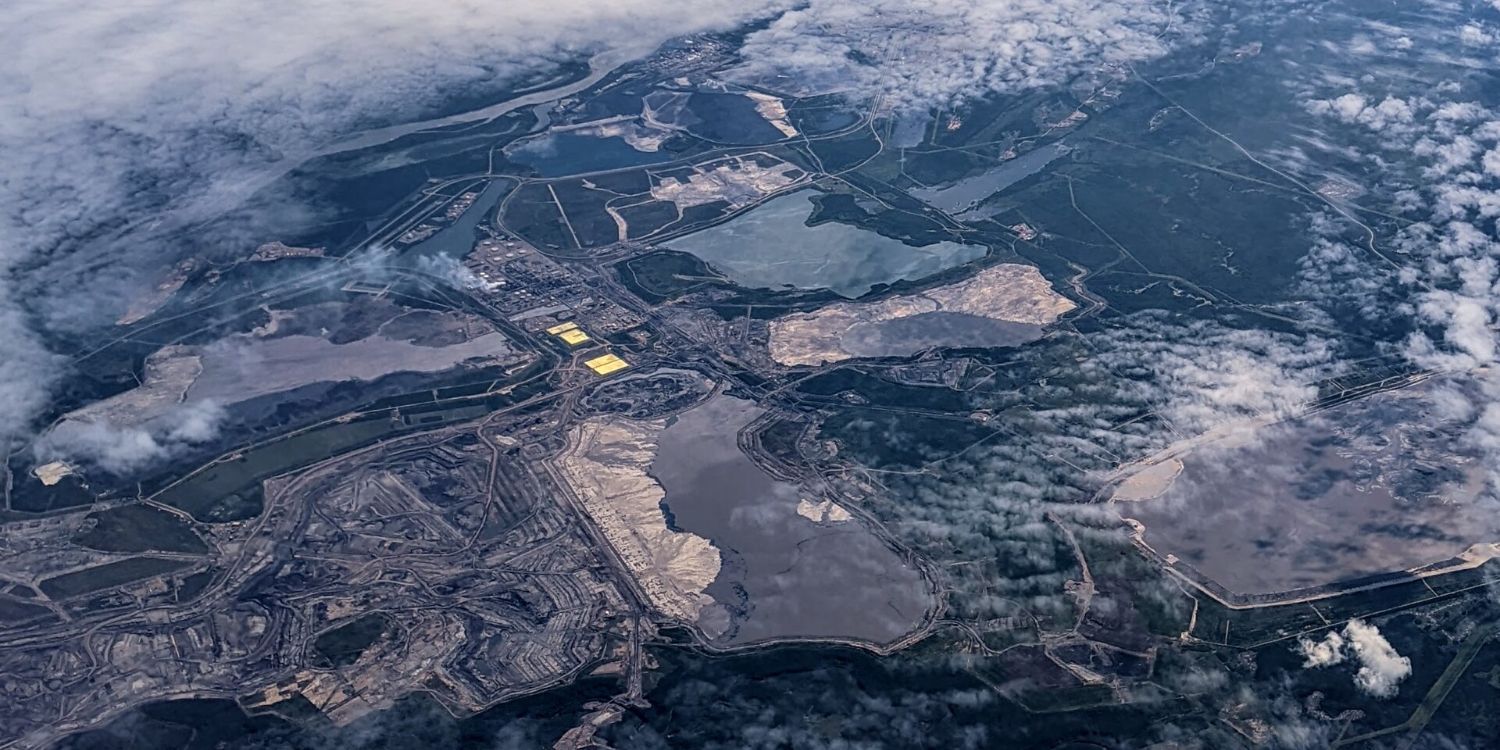
Alberta’s oil sands produced 3.4 million barrels of raw bitumen a day in 2023, and that province alone accounted for 84 percent of Canada’s total crude oil production that year. Oil sands make up more than three-quarters of Alberta’s own 4.3 million barrels a day of total crude output.
That bitumen looks and pours like cold molasses at room temperature, Canada’s energy regulator says, too thick to move through a pipeline until it’s heated or diluted with lighter hydrocarbons. Producers either extract it from open pits or melt it loose underground with injected steam.
Alberta’s total crude output grew from 2.8 million barrels a day in 2013 to 4.3 million in 2023, climbing through the entire Keystone XL fight and every year since it died. Output climbed through that fight, not because of it. Some of that growth probably reaches your gas tank already if you buy gasoline in the Midwest. The existing Keystone Pipeline and Enbridge’s Express Pipeline both carry Alberta crude to refining markets in the US Midwest and the Gulf Coast, Canada’s energy regulator reports.
The Trans Mountain expansion changed the math
Trans Mountain turned out to be the pipeline that gave oil sands crude more room to move. The expanded line began commercial service on May 1, 2024, taking capacity out of Alberta from about 300,000 to 890,000 barrels a day. That gave producers a route to the coast that Keystone XL, designed to reach Gulf Coast refineries, never offered. That extra oil moves out through the Westridge Marine Terminal in Burnaby, British Columbia, where Trans Mountain loads the tankers you’d see in the harbor if you live nearby.
The project’s cost estimate climbed for more than a decade before it opened. Trans Mountain Corporation puts the total at about C$30.9 billion, or roughly US$21.9 billion at an exchange rate of about 1.41 Canadian dollars per US dollar.
Was oil sands crude worse for the climate
The pipeline fight centered on whether oil sands crude is dirtier than the barrels it would replace, and whether stopping one pipeline would keep that oil in the ground at all. The EPA’s initial review found tar sands crude emits about 17 percent more carbon than the average barrel it replaces, and the State Department later put the gap at 5 to 20 percent higher, depending on the barrel it’s measured against. If you fill up with gasoline refined from oil sands crude, it carries roughly that much more upstream carbon than gas made from an average barrel.
You can read the broader case for the underlying climate science in our look at the evidence for climate change, which covers the fundamentals behind claims like these.
The permitting fight that killed Keystone XL
TransCanada, now TC Energy, first proposed Keystone XL in June 2008, a line designed to run from Hardisty, Alberta through Montana and South Dakota to Steele City, Nebraska, then on to Gulf Coast refineries. It took seven years of review before the Obama administration rejected the cross-border permit on November 6, 2015, concluding the project wouldn’t serve the national interest.
Trump signed a memo reviving the project four days into his first term, on January 24, 2017, and his State Department issued the cross-border permit that March. Biden revoked the permit on his first day back in office, January 20, 2021, and less than five months later TC Energy said it was done and formally cancelled the project on June 9, 2021.
Farmers and ranchers along that Nebraska route fought the project for years because it crossed the Ogallala Aquifer, which supplies drinking water for millions of people and about 30 percent of US irrigation water. If your own water comes from a well over an aquifer like that, this is the fight that set the playbook for opposing a pipeline on the same grounds.
The permit Prairie Connector doesn’t have yet
South Bow’s open season for the Prairie Connector closed in March 2026, but the project still needs its own cross-border permit, since Keystone XL’s original permits lapsed when TC Energy cancelled the project in 2021. Trump has pledged easier permitting for the corridor, and Prime Minister Carney reportedly discussed the pipeline plan with him in October 2025. The Bridger Pipeline Expansion is moving in parallel on the US side of the border, and neither project ships a barrel until regulators in both countries sign off.
That permit decides whether more of it starts moving through the old Keystone corridor and toward gas tanks like yours. Until it clears, the corridor stays empty. Alberta’s oil sands crude keeps moving the way it already does, through the Keystone Pipeline System and Trans Mountain.