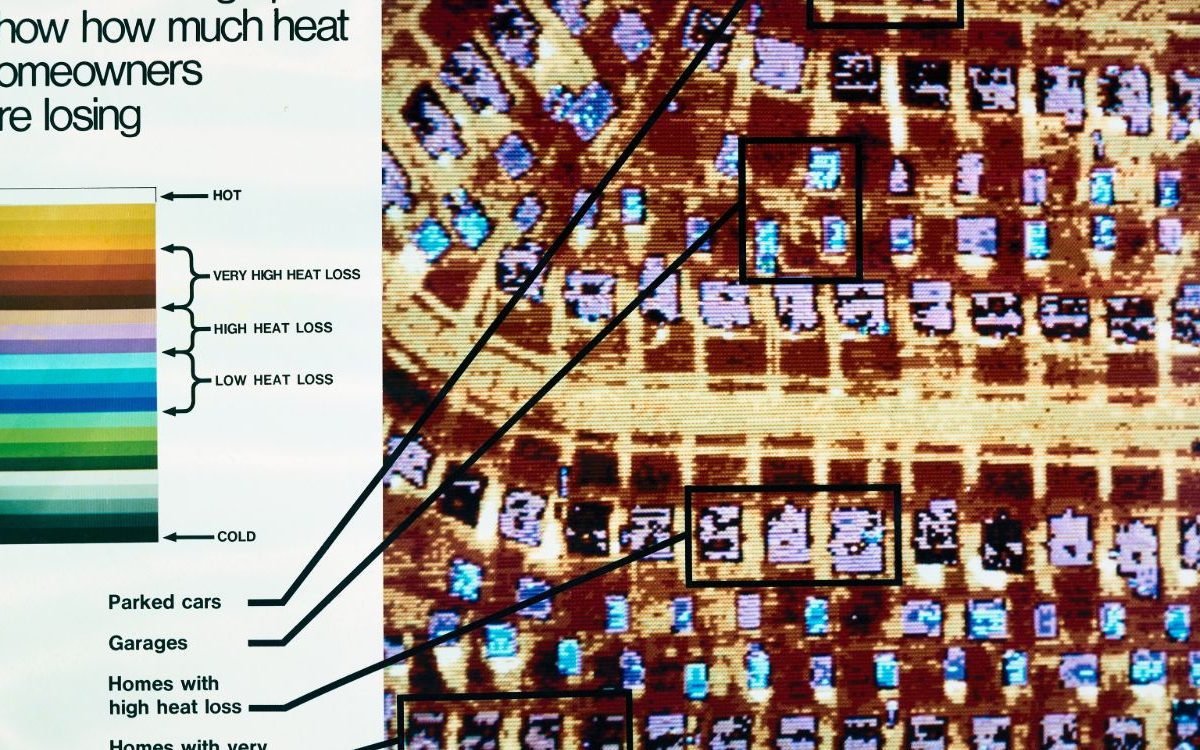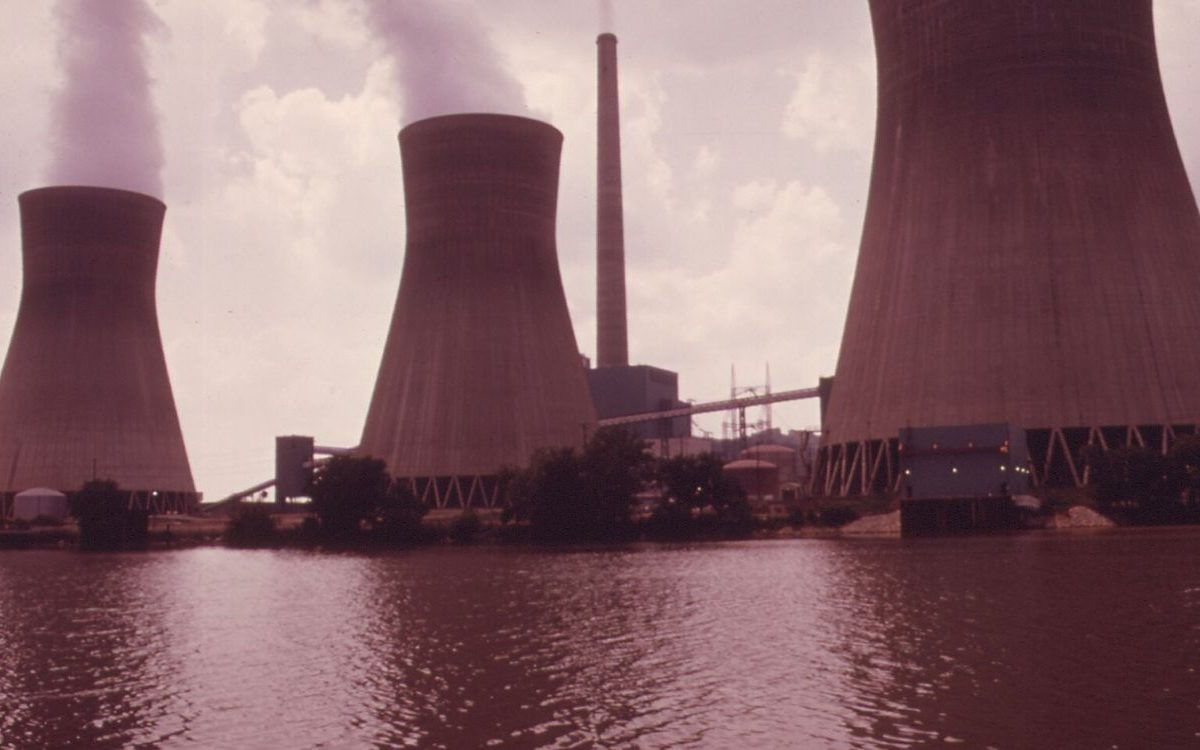
The recent boom in shale gas production and the subsequent decrease in the price of natural gas have left some wondering what the role for energy efficiency will be in the future. As a new ACEEE white paper explains, energy efficiency measures are still cost-effective in any foreseeable natural gas price environment. States should deploy cost-effective and readily available energy efficiency measures now to help provide long-term stability to the electric and natural gas markets and ensure that natural gas resources are used as efficiently as possible.
Historically, the natural gas market has experienced booms and busts where prices ranged from $2 to $16 per million British thermal units (MMBtu). Last winter, the United States entered a boom period driven by unseasonably warm weather and an explosion of domestic shale gas production and prices at historic lows—under $2 per MMBtu. Looking forward, ICF forecasts that prices will not remain at the current low levels. ICF estimates a steady increase in the price of natural gas to more than $4 per MMBtu by the end of 2012. Over the long term ICF forecasts that prices will increase as demand accelerates, bringing the price closer to $7 per MMBtu ($2010). The current wellhead price of gas is currently around $3 per MMBtu, up from $1.89 in April of this year.
The low prices have called into question the cost-effectiveness of energy efficiency programs, particularly those targeted at saving natural gas directly. However, despite the low natural gas wellhead prices, energy efficiency is still the lowest cost new energy resource compared to new electricity generation resources of any fuel type. In addition, natural gas prices only affect retail electricity prices minimally because generation costs are just a small portion of the total electricity price. The average retail electricity prices are expected to remain relatively stable through 2030 while the wellhead natural gas prices are expected to rise. This means that electricity efficiency measures will not be greatly affected by natural gas prices, and the vast majority of measures remain cost-effective. Since both wellhead and retail prices are unlikely to stay low, utilities should look toward the long-term benefits of efficiency and continue supporting programs that reduce customer energy consumption.
Even as sources of natural gas continue to increase, energy efficiency is still the number one new resource. Many states and utilitiesalready recognize the benefits of energy efficiency. Over the past 15 years, there has been a rapid increase in the use of energy efficiency (see Figure 1), and this trend is expected to continue.
Figure 1. Historical U.S. Energy Production by Type


About Social Media Today