Originally published March 18, 2013. Updated September 28, 2026.
The United States pumped a record 13.7 million barrels of crude oil a day in 2025 and sells more energy to the world than it buys, but it still isn’t self-sufficient on oil. Refiners bought 6.168 million barrels of crude a day in 2025 anyway, mostly from Canada, so what you pay at the pump still depends partly on oil the country buys from somewhere else. The US has produced more energy than it has used every year since 2019, and it exports more petroleum overall than it imports. Crude oil alone breaks that pattern, and the country remains a net importer of crude.
How much energy the US produces versus how much it uses
Petroleum is the single biggest piece of what the country burns, supplying 35.9 quadrillion Btu, about 38% of total US energy consumption in 2025. Natural gas comes close behind, at 34.6 quadrillion Btu, about 36% that same year. If your car runs on gasoline or your furnace runs on gas, you’re pulling from the same two fuels that together cover almost three quarters of everything the country burns.
The remaining quarter comes from every other fuel combined, with none large enough on its own to move these figures. Production topping consumption is a national total, and it doesn’t say which fuel crosses the border, or in which direction.
How shale drilling changed US oil imports
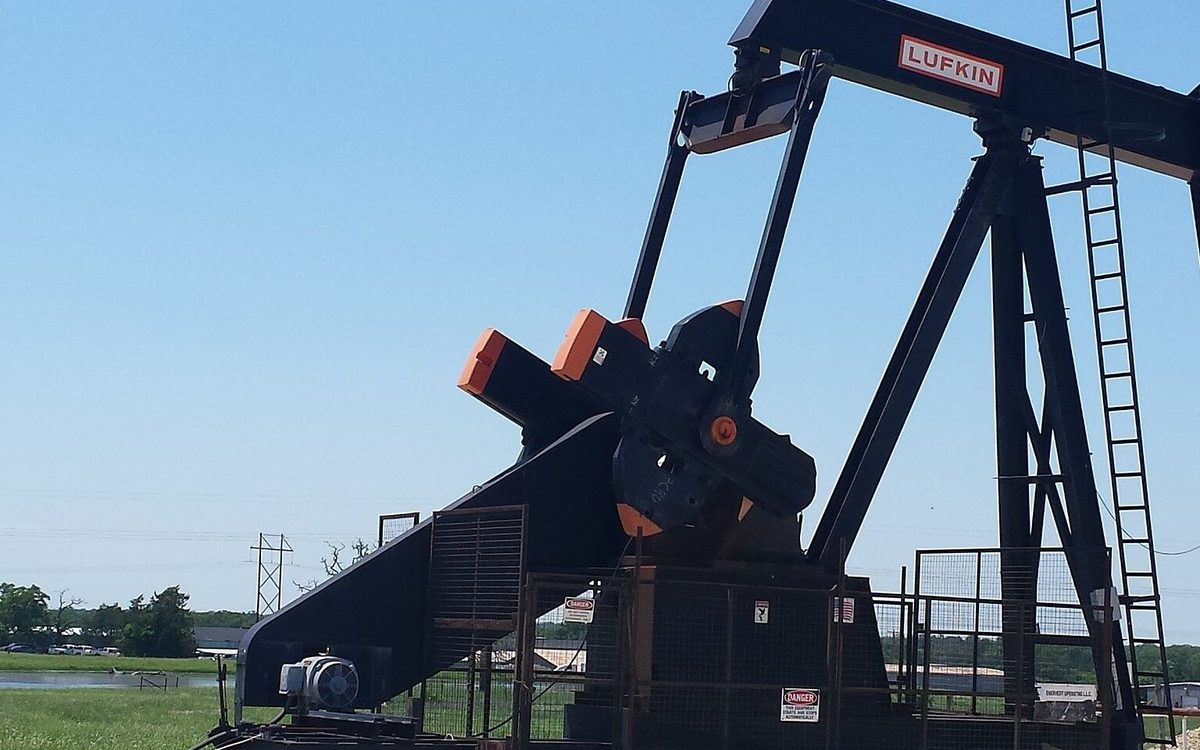
US crude oil production reached 13.7 million barrels a day in 2025, and the EIA’s own short-term forecast puts 2026 output even higher, at 13.8 million barrels a day. So more of the gasoline burning in your car started at a US wellhead than at an import terminal, even though refiners still buy millions of barrels a day from elsewhere. They imported 6.168 million barrels of crude a day in 2025, down only slightly from 6.588 million the year before.
Federal lease sales point to the same appetite for drilling. The Bureau of Land Management’s New Mexico lease sale drew $4 billion in bids in May 2026, money flowing through the same Permian Basin counties where those record barrels come out of the ground. This site has a separate piece on how shale drilling remade US oil and gas output.
Why Canada supplies most of the crude oil the US still imports
Most of the crude the US still buys from abroad comes from one place. Canada supplied about 61.7% of US crude imports in 2024 and 63.4% in 2025, shares calculated from the same barrel counts below. That’s a different world from 1977, when OPEC alone supplied around 85% of US oil imports.
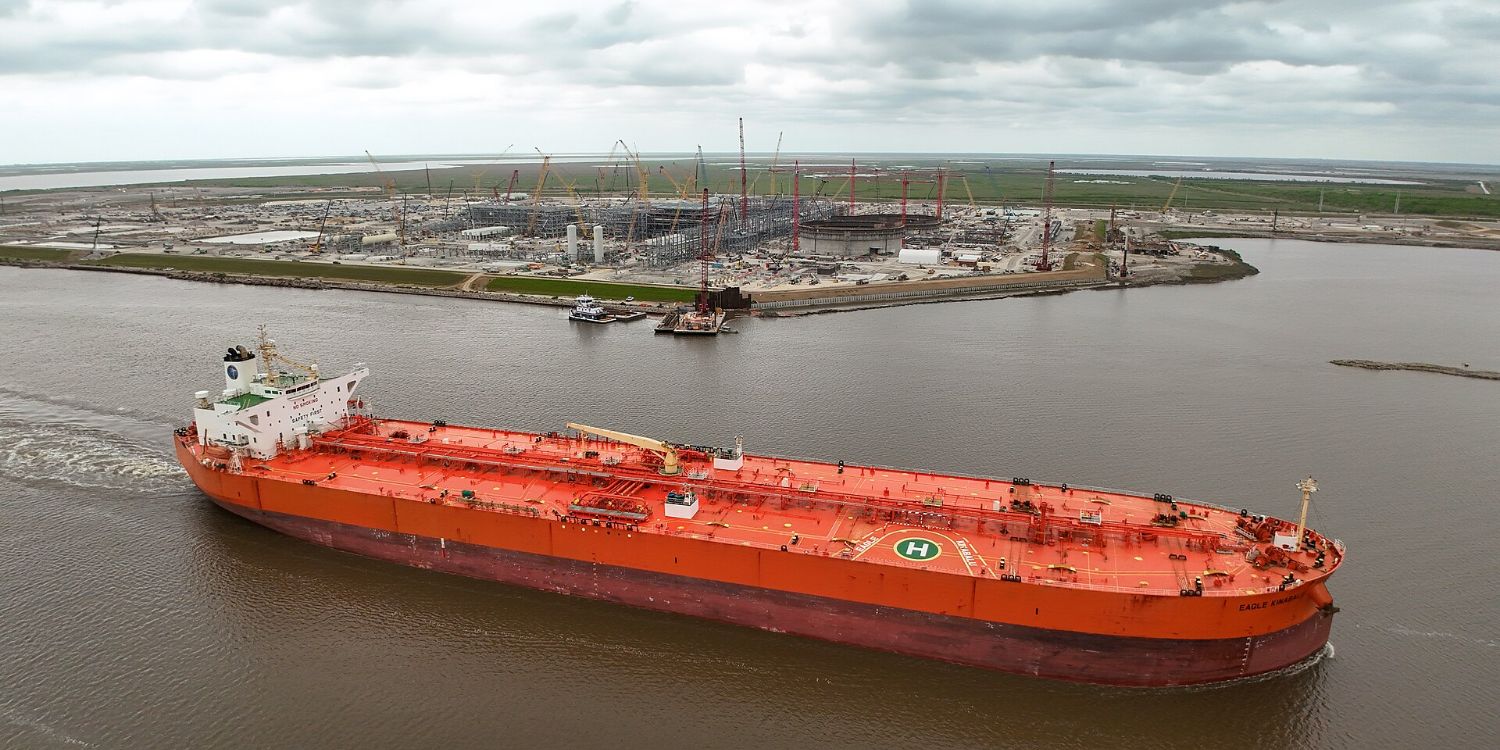
The gasoline in your tank more likely started in Alberta than anywhere else abroad. Canada sent the US about 3.9 million barrels a day in 2025, out of roughly 6.168 million in crude imports from every country combined. Domestic oil production changed which country fills that import gap, from an OPEC-heavy mix decades ago to an overwhelmingly Canadian one now.
Refinery setup is a big part of the reason. Much of the newer US supply is light, sweet oil from shale wells, but many US refineries were built decades ago to run heavier crude, with cookers and coking drums sized for thick, sour barrels. Producers export the light oil while refiners import the heavier, syrup-thick crude their older equipment still needs.
Petroleum exporter, crude importer at the same time
This question goes back further than the 2025 numbers above. President Obama proposed an Energy Security Trust in his February 2013 State of the Union, funded by federal oil and gas revenue and aimed at shifting cars and trucks off oil. Production has grown since then, and the crude-import total has fallen without disappearing.
The EIA’s own accounting already showed the country as a net exporter of total petroleum, meaning crude oil and refined products added together, by 1.64 million barrels a day in 2023. That gap kept widening, as the numbers below show.
| Measure (million barrels a day) | 2024 | 2025 |
|---|---|---|
| Total petroleum imports | 8.438 | 7.937 |
| Total petroleum exports | 10.709 | 10.785 |
| Crude oil imports | 6.588 | 6.168 |
| Crude oil exports | 4.093 | 3.961 |
Source: EIA, crude oil imports, EIA, total petroleum imports and EIA, US petroleum exports, read 2026-09-25.
Total petroleum exports kept climbing too, from 10.709 million barrels a day in 2024 to 10.785 million in 2025, even as total imports slipped. That combined trade, the top two rows of the table, left the US with a surplus of about 2.27 million barrels a day in 2024 and 2.85 million in 2025.
Crude oil by itself runs the other way. The US bought more crude than it sold both years, a net import of roughly 2.5 million barrels a day in 2024 and 2.21 million in 2025. Total petroleum trade favors the US, but crude oil trade doesn’t, and confusing the two is the easiest way to get this topic wrong.
The Census Bureau and the Bureau of Economic Analysis count petroleum in dollars instead of barrels, and their trade data points the same direction. Petroleum ran a $9.6 billion surplus in July 2026 by their count, the same pattern as the barrel figures above, even while your own gas tank still gets filled mostly with crude the country has to buy. The same monthly report’s crude oil detail shows crude imports averaging 5.517 million barrels a day in July 2026, against exports of 3.534 million barrels a day that same month.
Why energy independence hasn’t lowered gas prices
High domestic production doesn’t buy insulation from the world market. Crude oil is the biggest single piece of what you pay at the pump, at 51.4% of the retail gasoline price in 2025. Brent crude averaged $69 a barrel in 2025. EIA’s September 2026 forecast puts 2026 crude at $91 a barrel, with retail gasoline forecast to climb from $3.10 a gallon in 2025 to $3.84 in 2026.
EIA ties that jump to supply constraints out of the Middle East. The agency cites Iran’s tanker attacks in the Strait of Hormuz, the resulting US blockade on Iranian oil exports, new Treasury sanctions on Iran, and disrupted Saudi oil exports through the Bab el-Mandeb strait. Global oil prices move on supply news like that, not on how much the US itself pumps. Crude oil prices are driven by global supply and demand, the EIA says, and that holds whether US output is high or not.
A country can be a net exporter of petroleum and still see its own pump prices jump from events on the other side of the world. The Dallas Fed’s second-quarter 2026 survey of oil and gas executives found that about two-thirds expect WTI crude to peak at $125 a barrel or less if the conflict with Iran continues through 2026.
Why events in the Strait of Hormuz will move your gas price more than any US wellhead
The EIA’s $3.84 forecast doesn’t hold because of anything happening at a US wellhead. The agency says plainly that the figure doesn’t specifically account for market events after September 3, 2026, so it only holds as long as the Iran-linked supply disruption behind it does.
If that forecast holds, your fill-up costs about $11 more for a 15-gallon tank in 2026 than in 2025, a gap tracking tanker traffic near Iran and Saudi Arabia. It has nothing to do with how fast wells in Texas or New Mexico are pumping. Why oil prices swing this much even when US output is high, and how much OPEC still controls, gets its own explanation here.