Nuclear power is one of the safest ways to generate electricity, at about 0.03 deaths per terawatt-hour once Chernobyl and Fukushima are counted in, according to Our World in Data’s analysis of historical accidents and pollution deaths. That rate sits close to wind and solar and far below coal or oil. If a utility near you is choosing between a new reactor and an aging coal plant, this is the number that choice turns on.
Nuclear waste still has to go somewhere. A bad accident costs far more than the death count alone shows.
What deaths per terawatt-hour measures
One terawatt-hour is roughly what a mid-sized country’s grid delivers in a few hours, or what a single large power plant produces running for a year or two. The comparison below combines a 2007 life-cycle study of electricity and health published in The Lancet with a database of 279 major energy accidents.
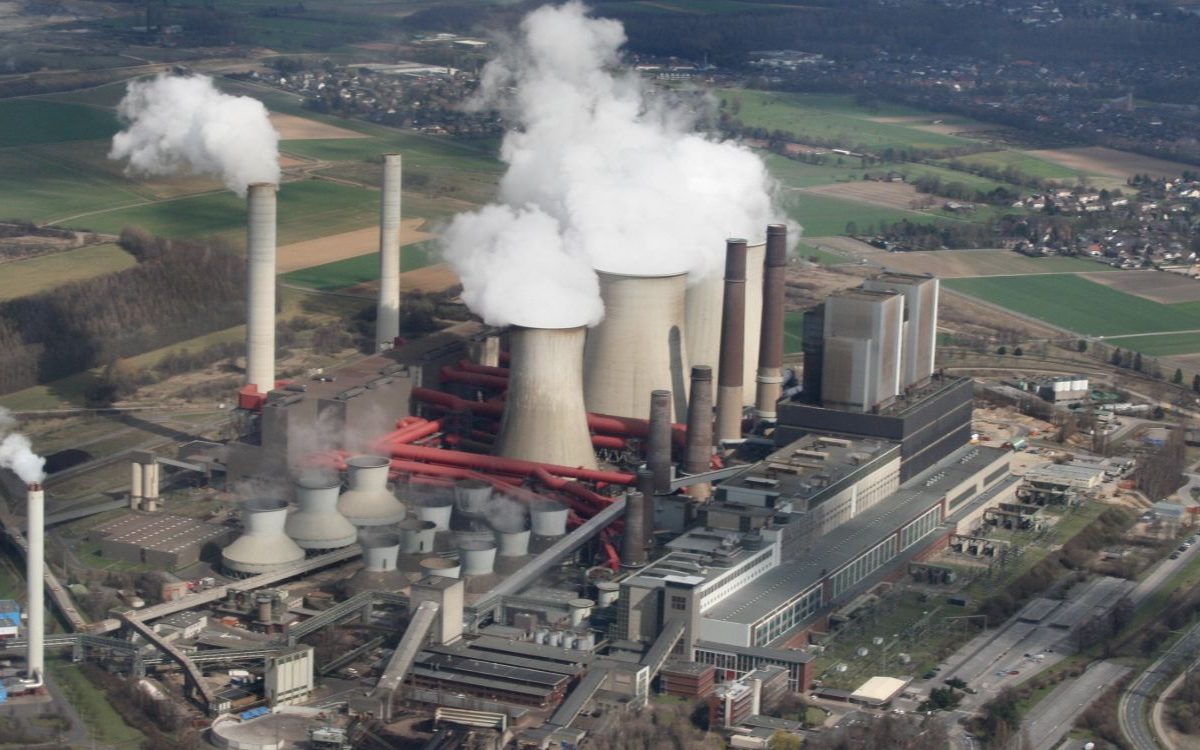
By that tally, coal kills about 24.6 people per terawatt-hour and oil about 18.4, almost entirely from the sulfur dioxide and fine particulates that combustion pushes into the air year after year. Gas comes in at 2.8, and nuclear is lower still. If your electricity comes from a coal-heavy grid, that pollution does not stay at the plant. It moves into the same air your town breathes, which is what a death rate like this is counting.
| Source | Deaths per TWh | Main driver |
|---|---|---|
| Coal | 24.6 | Air pollution |
| Oil | 18.4 | Air pollution |
| Gas | 2.8 | Air pollution, some accidents |
| Hydropower | 1.3 | Dam failures, mostly one event |
| Nuclear | 0.03 | Chernobyl and Fukushima |
| Wind | 0.04 | Construction and maintenance accidents |
| Solar | 0.02 | Installation accidents |
Source: Our World in Data, “What are the safest and cleanest sources of energy?”, combining Markandya and Wilkinson (2007) with a database of historical energy accidents.
Hydropower’s low average hides a single outlier. Nearly all of that death toll traces to one event, the Banqiao Dam failure in China in 1975. The same analysis puts the toll at an estimated 171,000 people.
Estimates for that single event vary widely. Chinese authorities have cited 26,000 confirmed dead, versus a Human Rights Watch estimate of 230,000 once deaths from the disease and famine that followed the flood get counted in.
Chernobyl’s death toll
The Chernobyl reactor exploded in April 1986, in what is now Ukraine. By 2005, fewer than 50 deaths had been directly attributed to radiation exposure, almost all of them rescue workers who took the highest doses in the accident’s first hours and months, according to the World Health Organization.
The WHO’s 2005 assessment also projected up to 4,000 eventual deaths from radiation-induced cancer among the roughly 600,000 people most exposed. The agency put that at an increase of about 3% over the cancer rate that group would see anyway, too small a rise to observe directly against the background rate. If you had been among that group, the added risk would have been small enough to hide inside your normal odds, invisible on any chart you would see.
Radioactive iodine released by the fire also drove up thyroid cancer among people who were children in the contaminated region at the time. By 2015, close to 20,000 thyroid cancer cases had been registered in the affected areas, and the United Nations’ scientific committee on radiation attributed about one in four of them to the accident.
The reactor involved was an RBMK design that lacked the containment structure standard on Western reactors and had a control-rod flaw that, on an emergency shutdown, briefly added reactivity to the bottom of the core instead of cutting it. The World Nuclear Association treats that flaw as central to why the accident escalated the way it did.
Fukushima’s death toll
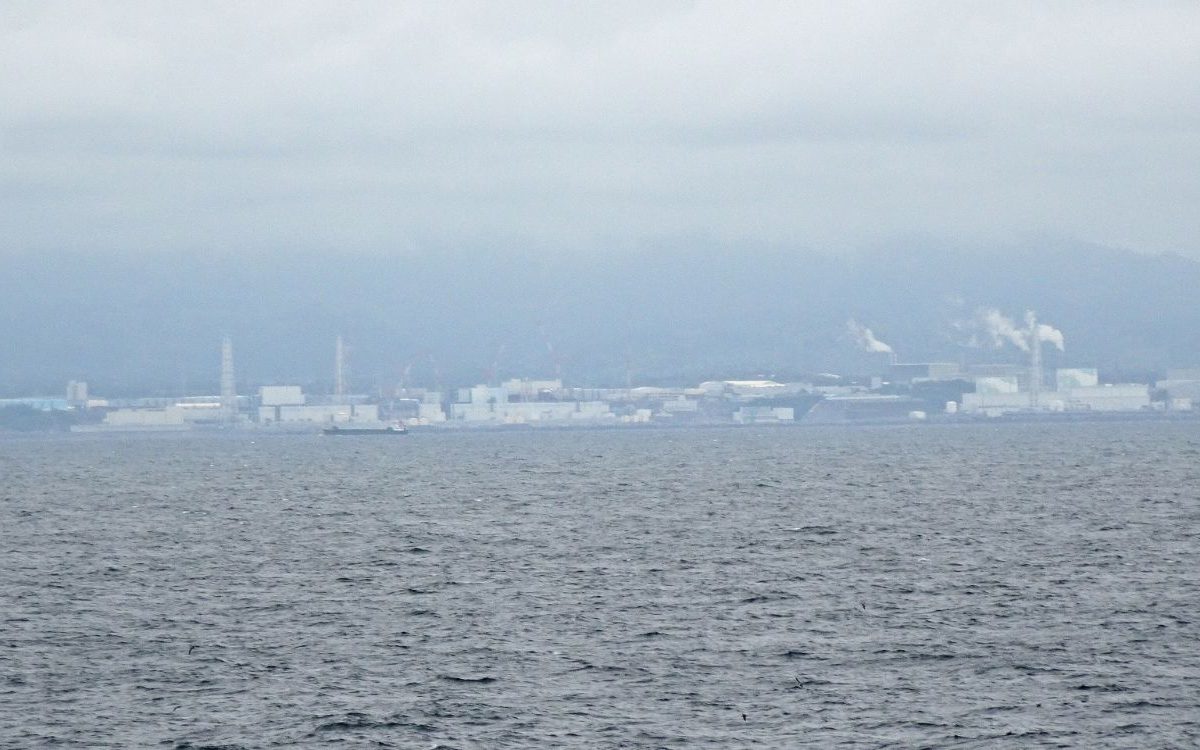
The Fukushima Daiichi meltdown, in March 2011, didn’t kill anyone through direct radiation exposure. One plant worker died in 2018 of lung cancer that Japan’s government attributed to his radiation exposure on the job, the only radiation-linked death the accident has produced.
More than 100,000 people were moved out of the area as a precaution, on top of about 19,500 people killed by the earthquake and tsunami itself. Japan has certified 2,313 deaths as disaster-related among Fukushima evacuees, most from disrupted hospital care and the strain of relocating elderly and hospitalized patients during the evacuation. If a meltdown forced an evacuation where you live, the disruption of packing up your home on short notice would likely affect you more than radiation itself.
About 27,000 people from Fukushima were still living as evacuees as of November 2025, 14 years on.
Nuclear waste, in volumes
A reactor generating 1,000 megawatts produces about 3 cubic meters of high-level waste a year when its fuel is reprocessed, roughly the size of a shed you might keep in your backyard, against roughly 300,000 tonnes of ash from a coal plant generating a similar amount of power.
High-level waste and used fuel together make up less than 3% of nuclear waste by volume but hold 95% of its radioactivity, the association says. Intermediate-level waste adds another 7%, and the remaining 90% is only lightly contaminated tools and clothing.
About 97% of used fuel can be recycled into new fuel, most of it reusable uranium. What can’t be recycled is vitrified, mixed into glass and sealed inside metal canisters, then buried in deep geological repositories, an approach France, Japan, Belgium and Russia already use for permanent disposal.
Radiation risk fades with time
Radioactivity isn’t a fixed hazard. It decays on a known schedule. Used fuel’s radioactivity falls to about a thousandth of its initial level after 40 years, the World Nuclear Association says.
The same group states that nuclear waste has never caused harm to people since the civil industry began, a claim that holds up against decades of operating records. That’s a claim about the industry’s history, though, not a guarantee about storage arrangements holding for the thousands of years some of this material stays hazardous.
Four decades is close to a full career. If nuclear expansion means new jobs in your county, guarding and monitoring that waste is the part of the job that outlasts whoever signs up for it.
What the death rate doesn’t put a price on
Deaths per terawatt-hour answers one question well. Historically, which sources of electricity have killed the fewest people relative to how much power they’ve produced? On that question, nuclear does about as well as wind and solar, and far better than any fossil fuel.
It answers a narrower question than people often assume. It’s a global historical average built mostly from twentieth-century reactors and two accidents. It doesn’t forecast what a reactor built under current safety regulation would do. It also treats a death from evacuation stress the same as a death from radiation exposure, which is fair for counting purposes but blurs how differently those two causes of death happen.
The number says nothing about what a bad accident costs. Estimates from the 1990s put Chernobyl’s cleanup and economic costs at hundreds of billions of dollars over two decades, the World Health Organization says. Fukushima evacuees alone had received about 9.7 trillion yen in compensation as of January 2021. None of that shows up on your electricity bill today, but it is the bill someone eventually pays when a reactor fails, and it runs far higher for nuclear than for the low-mortality alternatives it gets grouped with.
None of that changes the mortality data. Being statistically safe and having no downsides worth discussing are two different claims, and the costs above show which one survives. In 2024, nuclear supplied about 9% of the world’s electricity, or 2,667 terawatt-hours.
Germany read those same safety numbers and still phased out nuclear power entirely, leaning on coal to fill the gap, a decision about cost and politics more than accident risk. China read them the other way. 28 new reactors were under construction there as of mid-2025, the fastest pace of any country. On the death-rate numbers alone, nuclear is about as safe as wind and solar, and far safer than any fuel that burns.