Originally published November 20, 2013. Updated September 28, 2026.
Carbon capture and storage has 77 projects running worldwide right now, with 47 more under construction, according to the Global CCS Institute’s 2025 status report. Coal-fired power plants were supposed to be the technology’s proving ground, and the two flagship retrofits, Petra Nova in Texas and Boundary Dam in Saskatchewan, both missed their own capture targets.
Direct air capture is newer and smaller. The credit that funds a lot of this work, Section 45Q, pays up to $36 for every tonne of CO2 a qualifying plant captures, and that money comes out of your taxes whether or not you’ve heard of the project it goes to.
The short answer, in tonnes
Add up every carbon capture and storage project running today and you land somewhere around 50 million tonnes of CO2 captured a year, a 2025 estimate from the World Resources Institute that lines up with the scale the Global CCS Institute counted in its 2025 status report.
That works out to roughly 0.1 percent of the world’s annual CO2 emissions. A single plant capturing a million tonnes a year is a real industrial project with real engineering behind it, and against what the world emits every year, it’s a rounding error.
What carbon capture and storage means
Carbon capture and storage means catching carbon dioxide before it leaves a smokestack, or pulling it directly out of the air, then squeezing it until it behaves like a liquid and piping it into porous rock deep underground built to hold it. Coal plants faced added regulatory pressure to cut their carbon output around the same period this technology was being tested, covered separately in our look at the EPA’s Clean Power Plan.
Coal’s flagship plants missed their own targets
Two coal-fired plants built carbon capture at commercial scale, and both explain why skepticism about the coal version of this idea stuck. Petra Nova, a unit at the WA Parish plant in Texas, started up in 2017 rated to capture about 33 percent of that unit’s CO2 emissions. Its owners shut it down on May 1, 2020, citing low oil prices. New owners JX Nippon and Eneos now run it as part of their carbon capture portfolio.
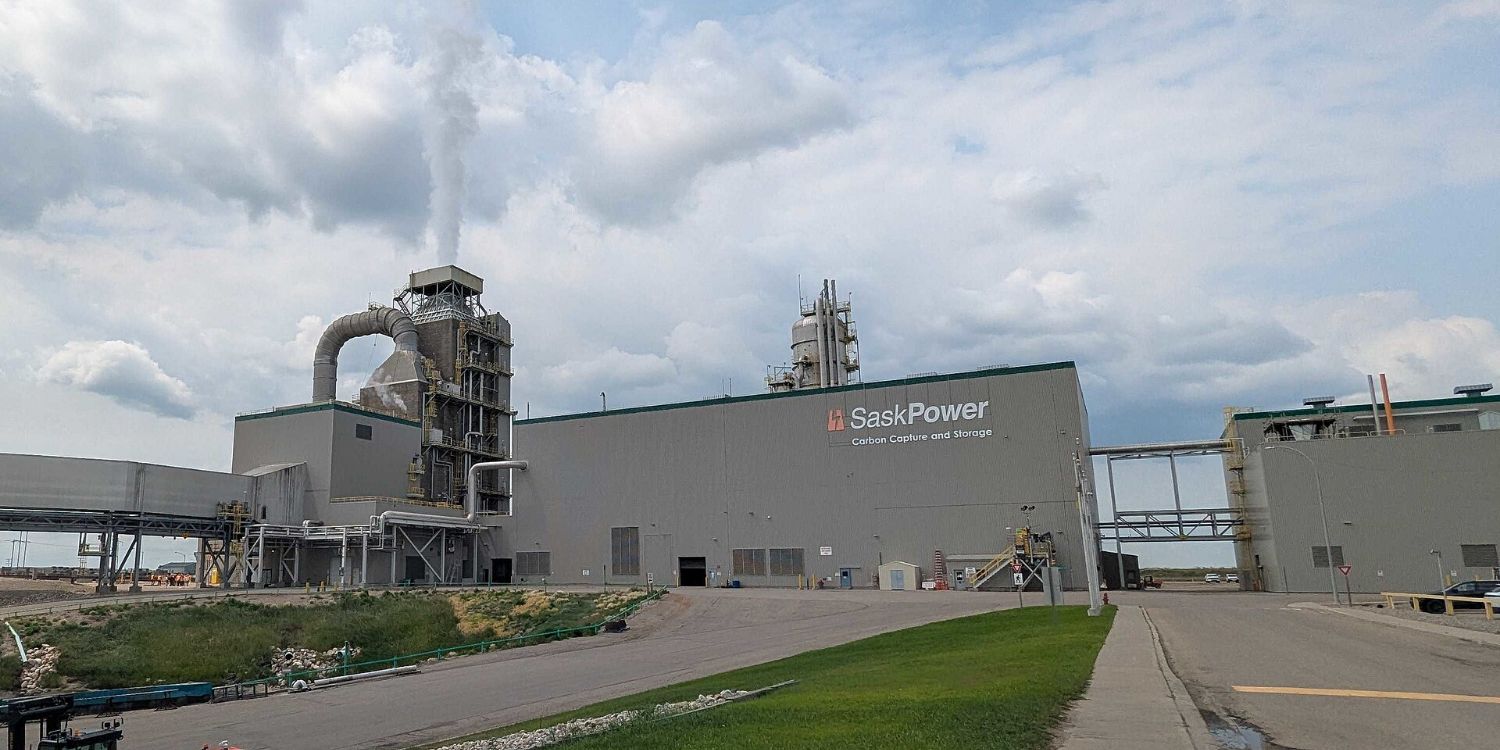
Boundary Dam, in Saskatchewan, was designed to capture up to 90 percent of one unit’s carbon dioxide, about a million tonnes a year at full output. In 2015, its first year running, the plant ran at only about 40 percent of capacity and took a $12 million penalty for missing half of its contracted 800,000 tonnes. Neither retrofit turned coal capture into something routine, part of the wider decline of coal power. An earlier Energy Collective piece called this coal’s “pipe dream,” and both retrofits proved it right.
Direct air capture is real but still tiny
Direct air capture works differently from smokestack capture. Instead of pulling from a concentrated exhaust stream, giant fans pull ordinary air across a chemical filter that grabs carbon dioxide out of it. The Department of Energy groups direct air capture under its broader carbon dioxide removal category, alongside soil-based and ocean-based methods.
You’re unlikely to live near one. Only about 53 DAC pilot and commercial plants were expected to be running worldwide by the end of 2024, according to the Direct Air Capture Coalition’s deployment tally. That same tally projects 93 plants running by 2030, with a combined capacity of 6.4 to 11.4 million tonnes a year.
The gap between a plant’s rated capacity and what it delivers can be wide. Climeworks’ Orca plant, running since September 2021, is rated to capture 4,000 tonnes of CO2 a year. The company partially brought its larger Mammoth plant online in 2024, rated at 36,000 tonnes a year. A 2025 Heimildin investigation found the two plants’ combined Icelandic output was only about 876 tonnes total between December 2023 and October 2024, a figure that comes from that investigation, not from Climeworks itself.
Where the captured carbon goes
Capturing carbon dioxide is half of carbon capture and storage. What happens to it afterward is the other half, and the industry counts both outcomes the same way. Much of the captured carbon dioxide gets pumped underground to push more oil out of aging wells, a practice called enhanced oil recovery that dates back to the 1970s in the United States, according to WRI.
That distinction reaches your gas tank. Some of the carbon dioxide a plant reports as captured is helping produce more oil at the same time.
Permanent storage, with no oil recovery attached, keeps the carbon out of circulation for good. Industry tallies count both outcomes as storage, which leaves a reader with two different answers about what a project’s capture number means. Check which path a specific project uses before taking its capture number at face value.
The 45Q tax credit changed again in 2025
Section 45Q of the federal tax code sets a minimum project size before any credit kicks in, and the base rate depends on the pathway:
| Pathway | Minimum to qualify | Base 45Q credit |
|---|---|---|
| Direct air capture | 1,000 tons a year | $36 per ton |
| Power plants | 18,750 tons a year | $17 per ton |
| Other industrial facilities | 12,500 tons a year | $17 per ton |
Source: IRS, Instructions for Form 8933. Rates shown are before any bonus multipliers and hold through 2026 under the law described below.
Congress amended Section 45Q again in 2025, through the One Big Beautiful Bill Act, Public Law 119-21, signed July 4, 2025. It equalized the rate for carbon dioxide used in enhanced oil recovery with the rate for pure underground storage, so both pathways now qualify for the same base rate the statute lays out. It also barred the credit for facilities owned by prohibited foreign entities, for tax years starting after the law’s enactment.
A separate explainer here covers how other policies put a direct price on emissions.
What Petra Nova, Boundary Dam and Mammoth have in common
Petra Nova and Boundary Dam already showed that a rated number and a delivered number aren’t the same thing. Petra Nova was built to capture about a third of one unit’s carbon dioxide and ran until low oil prices made it unprofitable. Boundary Dam delivered less than half its contracted tonnes in its first year and cost SaskPower a penalty for it. Mammoth added a third example, rated at 36,000 tonnes a year but delivering about 876 tonnes of combined output between December 2023 and October 2024.
None of that makes the technology fake, but it should make you skeptical of a rated number before a plant has run long enough to prove it. The Global CCS Institute’s 2025 count includes 47 more projects under construction beyond the 77 already running, and the Direct Air Capture Coalition expects 93 direct air capture plants running by 2030. Both groups publish an update every year, so the honest check is comparing each new report against these numbers, before trusting a ribbon-cutting headline.