Originally published April 5, 2013. Updated September 28, 2026.
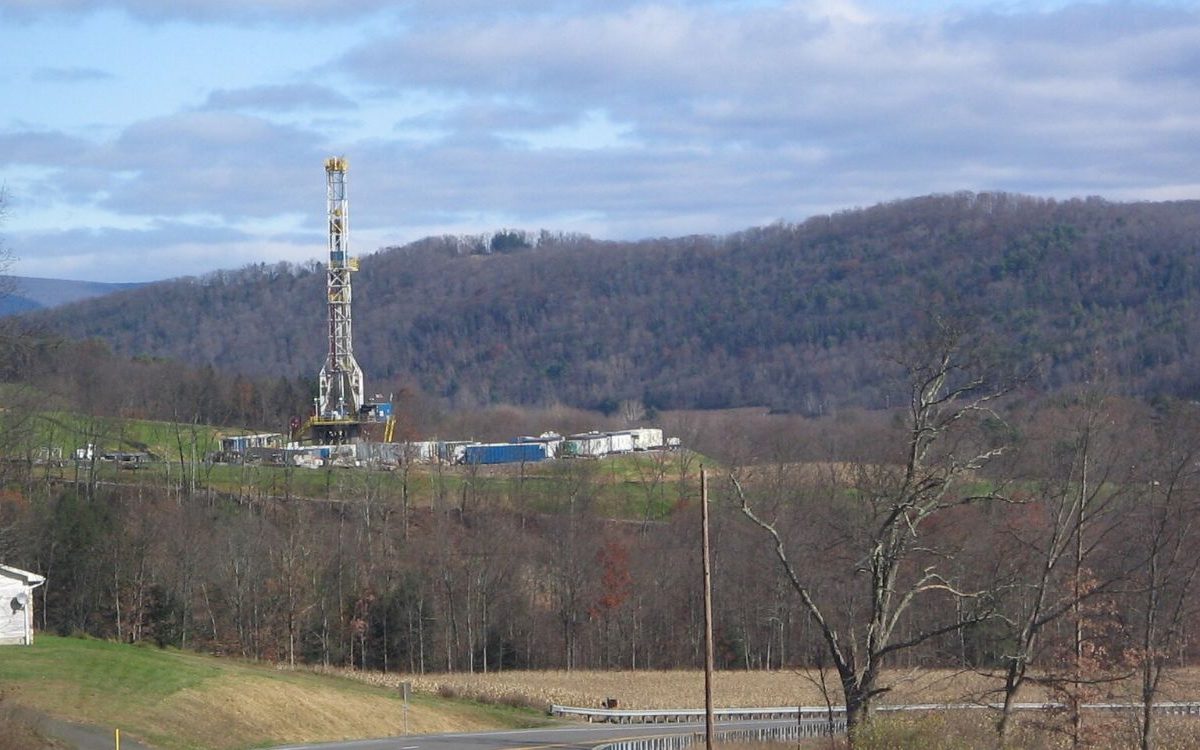
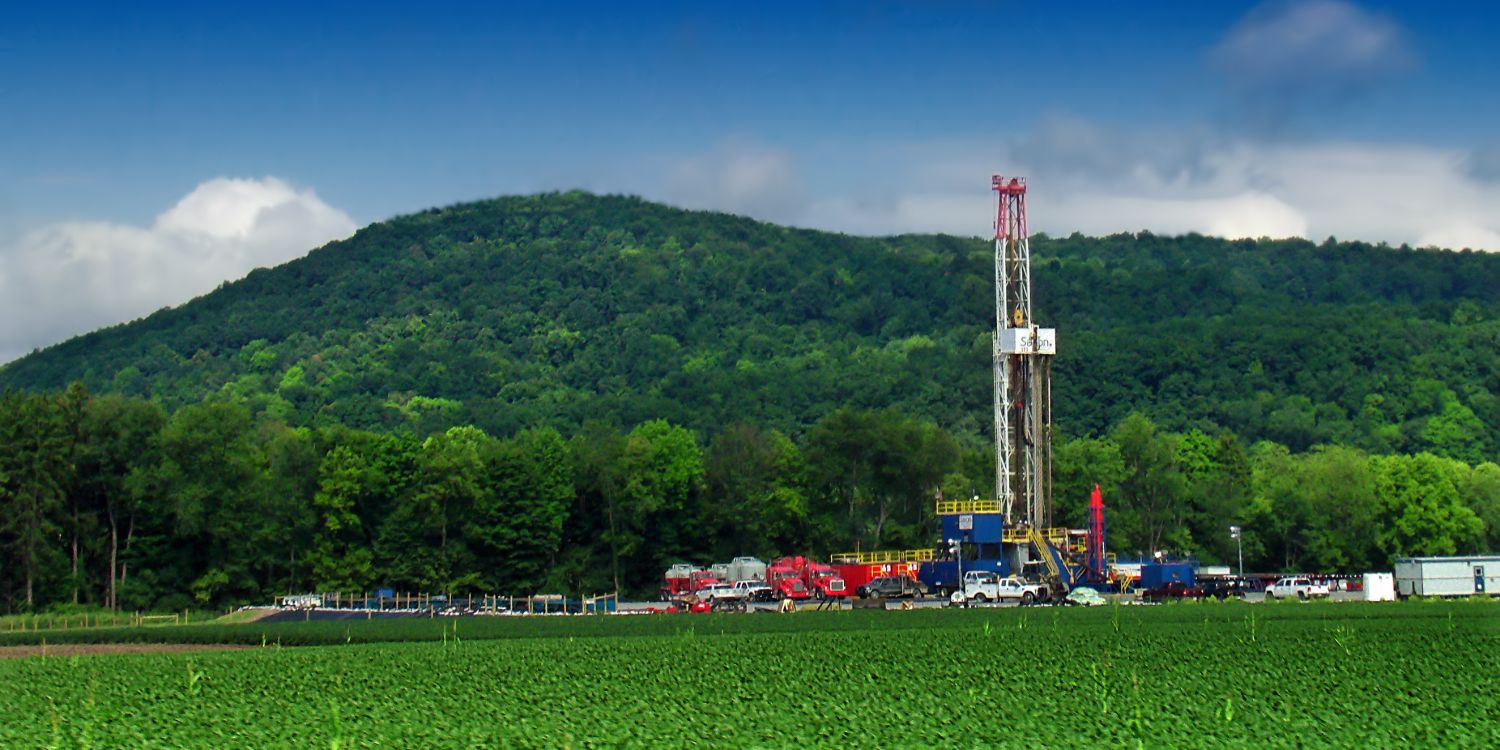
A typical horizontal shale gas well uses a median of about 5.1 million gallons of water to frack, and wells range from 2,600 gallons to 9.7 million, according to the US Geological Survey’s first national study of the practice.
In the Permian Basin, the water that comes back out of a well is now a bigger problem than the water that goes into it. That water has to go somewhere once the well starts producing, and moving or disposing of it costs money and carries risks of its own.
How much water one fracked well uses
The USGS study covered wells fracked from 2000 to 2014, and volumes rose throughout. A horizontal oil well used a median of about 177,000 gallons in 2000. By 2014 the median had passed 4 million gallons, more than twenty times the 2000 figure. Horizontal gas wells reached the 5.1 million gallon median by the end of the study.
The climb continued after 2014, as operators kept drilling longer horizontal wells across US shale basins. In the Permian Basin, water use per foot of horizontal well rose from 350 gallons in 2011 to 2,335 gallons in 2016, a nearly sevenfold jump that Duke University researchers documented. If you live near shale country in Texas, a new well going up near you is likely one of these longer laterals, using far more water per foot than shorter wells once did.
Total freshwater use for fracking in the Permian rose about 770% over those five years as both effects compounded. The Marcellus shale in Appalachia went the other way. Total water use there stayed roughly flat over the same period, because fewer new wells were drilled each year even as each one used more. A region’s total can hold steady while its per-well figure keeps rising.
How fracking compares with other US water use
The United States withdrew about 322 billion gallons of water a day in 2015, the latest full national accounting from USGS.
| Use category | Billion gallons a day (2015) |
|---|---|
| Thermoelectric power | 133 |
| Irrigation | 118 |
| Public supply (homes and businesses) | 39.0 |
| Industrial | 14.8 |
| Mining | 4.0 |
Source: USGS, Total Water Use in the United States
Add 133 and 118 billion gallons a day from the table above and thermoelectric power and irrigation come to about 78% of that total. Public water supply, the pipes that fill your tap and toilet at home, draws 39 billion gallons a day nationally, a little less than a third of what thermoelectric plants draw to cool their turbines. Thermoelectric plants alone withdrew more than thirty times as much as mining, which drew 4 billion gallons a day, about 1% of all withdrawals.
Fracking doesn’t appear as its own line in that accounting, and no federal agency publishes a current national total for the water it uses. Any national percentage for fracking is an estimate built from older per-well and well-count figures, not a current tally.
Why location matters more than the national total
A small national share can still be a big local one. In 2013, Ceres mapped more than 25,000 oil and gas wells and found that almost half sat in water basins with high water stress, as the World Resources Institute reported. That analysis didn’t account for water moved between basins or for the difference between water withdrawn and water consumed.
West Texas shows why that gap matters. Severe drought covered about 34% of Texas as of September 22, 2026, according to the US Drought Monitor. That’s the same region where Permian freshwater use for fracking climbed 770% in five years, while in the Marcellus, flush with rain, the same climb barely registered.
Five million gallons drawn from a basin with plenty of water is a rounding error. The same volume drawn where farms and towns already compete for a stressed supply is a real claim on it, whatever the national percentage says. If your town sits in one of those stressed West Texas basins, that single well’s water is competing directly with what your community needs for drinking supplies and crops.
The water that comes back up
Every fracked well also returns water to the surface for as long as it produces, a mix of fracturing fluid flowing back and water that was already in the rock, which the industry calls produced water. In the Permian Basin it runs past 20 million barrels a day, against Permian oil output of about 6.2 million barrels a day in mid-2024, more than three barrels of water for every barrel of oil.
That water outlives the barrel of oil it came up with. It still has to go somewhere long after that oil turns into the gas you put in your car.
The Society of Petroleum Engineers’ journal expects Permian produced water to pass 26 million barrels a day by 2030, and calls water management the basin’s biggest challenge. Some of that water gets treated and reused on the next well. The rest gets trucked away in convoys of tanker trucks or piped straight into a disposal well and pumped thousands of feet underground.
The Environmental Protection Agency’s 2016 assessment of fracking and drinking water looked at the whole water cycle, from acquiring water through disposal. The water a well takes in is one step in that cycle.
Disposal, earthquakes and the cost of recycling
The cost of handling produced water depends on the method. Trucking it to a disposal site can cost up to $2.50 a barrel, while recycling it for another well runs 15 to 20 cents, well under the trucking cost. Piping it into a disposal well falls in between, at 25 cents to $1.00 a barrel. If a disposal well goes up near your town instead of a recycling facility, cost is usually why, since dumping the water underground is still far cheaper than treating it for reuse.
Why regulators are already limiting some disposal wells
Disposal wells carry a risk beyond cost. Injecting large volumes of produced water underground has been linked to earthquakes in parts of Texas and Oklahoma, and regulators have restricted injection volumes in parts of the Permian because of it. If your town sits in one of those restricted areas, that’s the reason. This water was being pumped underground near you until regulators stepped in.
Recycling is the cheaper option, as the figures above show, but treatment capacity hasn’t caught up to how much water the Permian produces. Every barrel reused on the next well is a barrel of fresh water that well doesn’t need to draw from a stressed basin. Until recycling scales further, produced water keeps going into the same disposal wells that caused the restrictions.