Nobody invented electricity, because it’s a natural force that people discovered and then learned to use over about 2,500 years, from the rubbed amber Thales is reported to have studied around 600 BC to Edison’s Pearl Street Station, which began supplying New York customers on September 4, 1882. Wiring homes took longer, and 98.8% of US homes had electric service by 1956. Plenty of American families waited decades after Edison for a light switch, since only about one in 10 farms had power in 1930.
The dates come from the Royal Institution, IEEE, the National Park Service, DOE, EIA and the Census Bureau.
What are the key dates in the history of electricity?
The step that put electricity on sale was the opening of Pearl Street Station in New York, and the dates before it lead up to that switch.
| Date | What happened | Who |
|---|---|---|
| About 600 BC | Rubbed amber attracts light objects | Thales of Miletus (as reported) |
| 1600 | De Magnete published, “electrick force” named | William Gilbert |
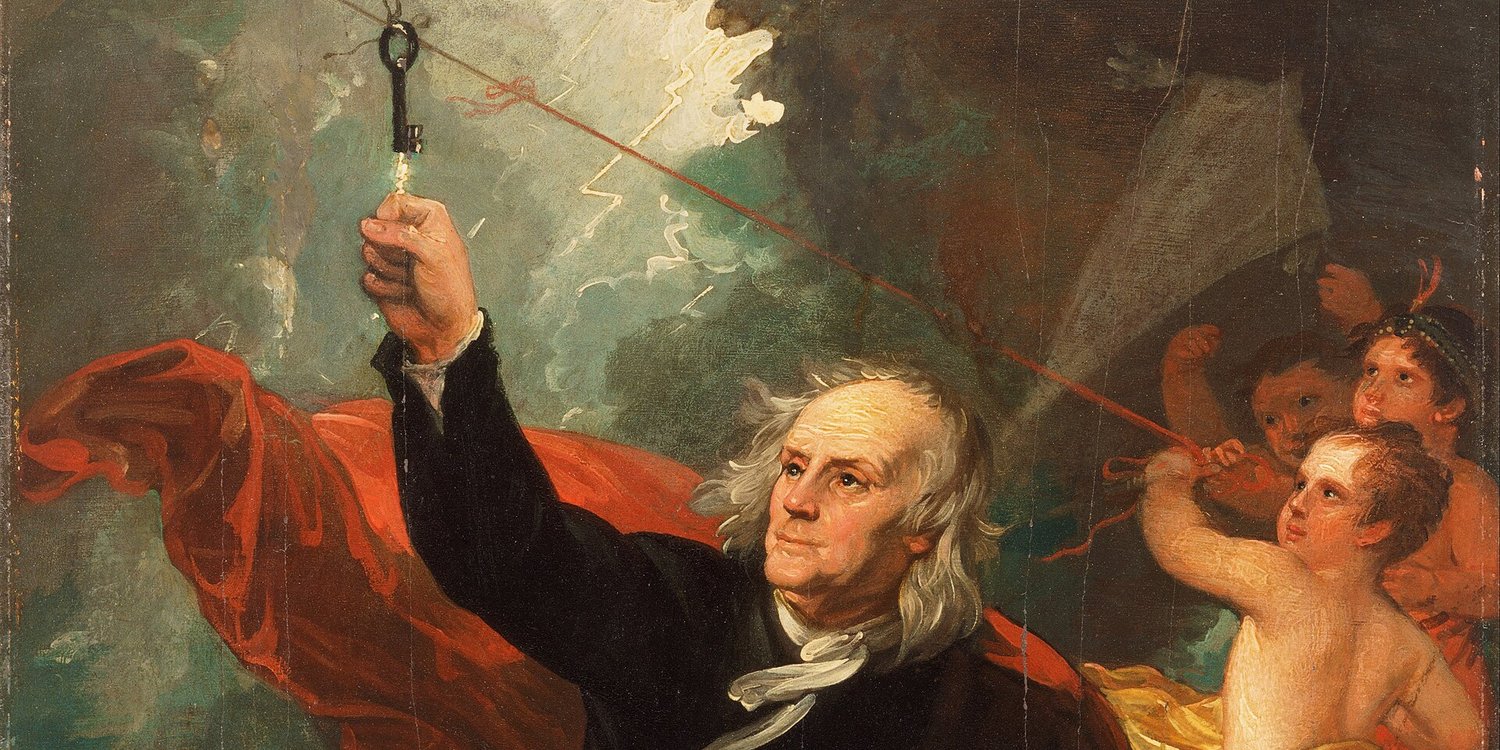
| June 1752 | Kite and key in a thunderstorm (exact day unknown) | Benjamin Franklin |
| 1799 or 1800 | Voltaic pile, the first battery | Alessandro Volta |
| 29 August 1831 | Induction ring shows magnetism can make current | Michael Faraday |
| October 1831 | First electric generator (dynamo) | Michael Faraday |
| 1879 | Carbon filament bulb | Thomas Edison |
| 4 September 1882 | Pearl Street Station opens in New York | Thomas Edison |
| 1 May 1888 | US patent 381,968 for an electromagnetic motor | Nikola Tesla |
| 13 July 1895 | Folsom Powerhouse sends AC 35 km to Sacramento | Folsom Powerhouse |
| 1895 to 1896 | Niagara Falls hydropower station opens | Niagara Falls station |
Source: EIA, Energy Kids electricity timeline, NASA, history of electricity, The Franklin Institute, IEEE ETHW, Volta, Royal Institution, Faraday’s ring and Faraday’s generator, National Park Service, Edison timeline, Google Patents, US 381,968 and IEEE Spectrum, Folsom.
On its first day Pearl Street served about 85 customers with some 400 lamps. Your electric bill is the modern form of those early accounts.
Who discovered electricity?
Thales of Miletus gets the credit for first noticing it, since NASA says he probably knew that rubbed amber attracts light bits of straw and feather. The sources disagree on the cloth, silk in EIA’s timeline and dry cloth or fur in NASA’s, and neither can date it precisely.
Static electricity is one of several forms of energy, and it’s the kind Thales found. The word on your power bill comes from elektron, the Greek for amber. William Gilbert’s De Magnete, published in London in 1600, named the pull of rubbed amber the “electrick force.”
In June 1752, Benjamin Franklin flew a kite in a Philadelphia thunderstorm to test whether lightning is electricity. The story is shakier than it sounds. The Franklin Institute notes that the only account came 15 years later, and historians aren’t sure of the date, with some doubting it happened at all.
Franklin’s lightning rod was a separate idea, an iron rod 8 or 10 feet long sharpened to a point to draw the “electrical fire” out of a cloud silently. If a rod stands on a roof near you, that’s his design at work.
Who built the first battery and the first generator?
Alessandro Volta demonstrated the voltaic pile, the first battery, in 1799. He described it to the Royal Society in a letter dated 20 March 1800, which is why EIA lists it under 1800.
Michael Faraday then showed that magnetism can make current. He succeeded on 29 August 1831 with an iron ring wound with two coils, and a few months later he built the first-ever electric generator.
IEEE’s engineering wiki says power generation and power transmission would be impossible without his induction result, so the power reaching your outlet rests on it. Batteries and motors that grew out of Volta’s and Faraday’s work powered the earliest electric cars in the 1830s.
Who invented the light bulb?
Edison gets the credit, but he patented his bulb in 1879 and again in 1880, and DOE notes that William Sawyer and Albon Man held a US patent for the incandescent lamp while Joseph Swan patented his own bulb in England.
His team’s carbon-thread bulb burned for thirteen and a half hours by the National Park Service’s account and 14.5 hours by DOE’s.
DOE also credits Edison with the Edison screw, the standard socket fitting, so if you’ve screwed a bulb into a lamp, you’ve used a part of his system.
Why did Edison and Tesla fight over current?
Pearl Street sent out direct current, which flows one way and can’t easily change voltage, and DOE says the fight with Tesla’s alternating current began in the late 1880s. Tesla’s US patent 381,968, granted 1 May 1888, covers a motor run from an alternating-current generator.
The wall outlet in your house delivers alternating current that reverses direction 60 times a second in the US.
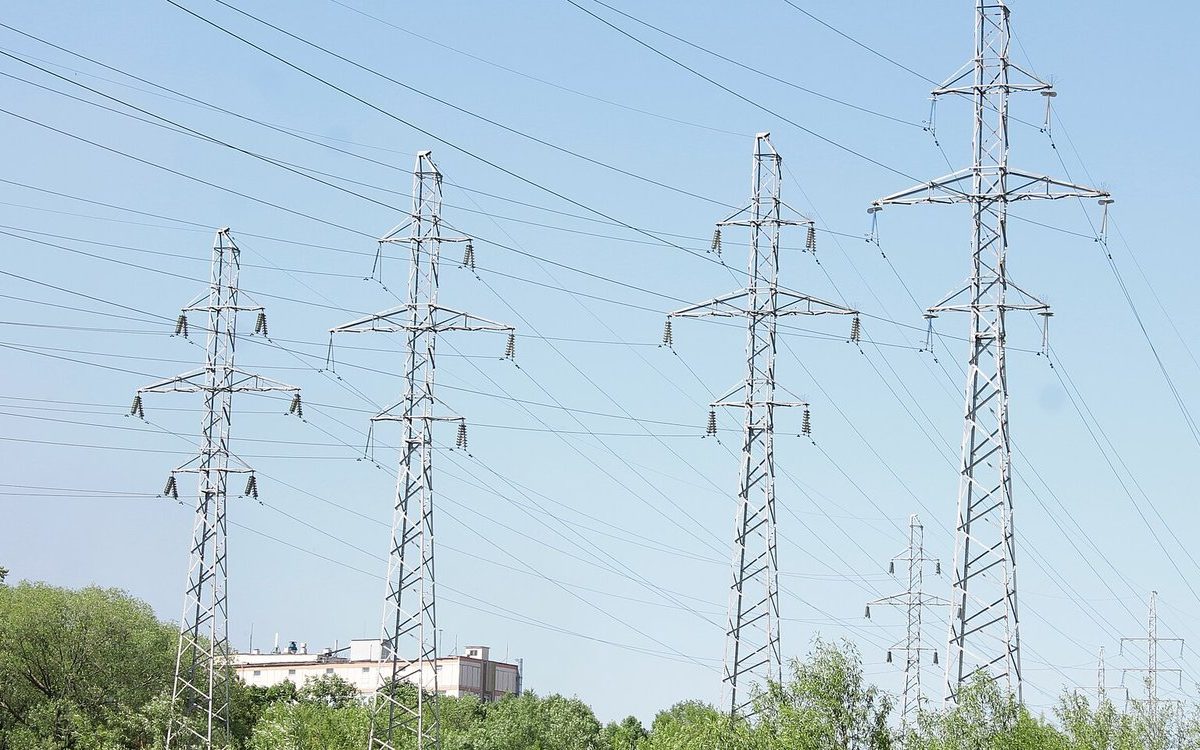
AC won in steps. On 13 July 1895, California’s Folsom Powerhouse sent high-voltage AC 35 km to Sacramento, which IEEE Spectrum calls a first for long-distance transmission.
The Niagara Falls station made power from falling water, the way hydropower still does. It’s often billed as the first AC hydro plant, but the Edison Tech Center says AC hydropower goes back to the 1870s in Europe.
When did US homes get electricity?
The 1940 Census was the first to ask, and it found that 78.7% of occupied US housing units had electric lights.
| Year | All US homes with service (%) | Farms with service (%) | Urban and rural nonfarm homes (%) |
|---|---|---|---|
| 1920 | 34.7 | 1.6 | 47.4 |
| 1925 | 53.2 | 3.9 | 69.4 |
| 1930 | 68.2 | 10.4 | 84.8 |
| 1935 | 68.0 | 12.6 | 83.9 |
| 1940 | 78.7 | 32.6 | 90.8 |
| 1945 | 85.0 | 48.0 | 93.0 |
| 1950 | 94.0 | 77.7 | 96.6 |
| 1956 | 98.8 | 95.9 | 99.2 |
Source: Census Bureau, Historical Statistics of the United States, Series S. Percentages are of dwelling units, and the Census volume notes that figures for years between censuses vary by source and method.
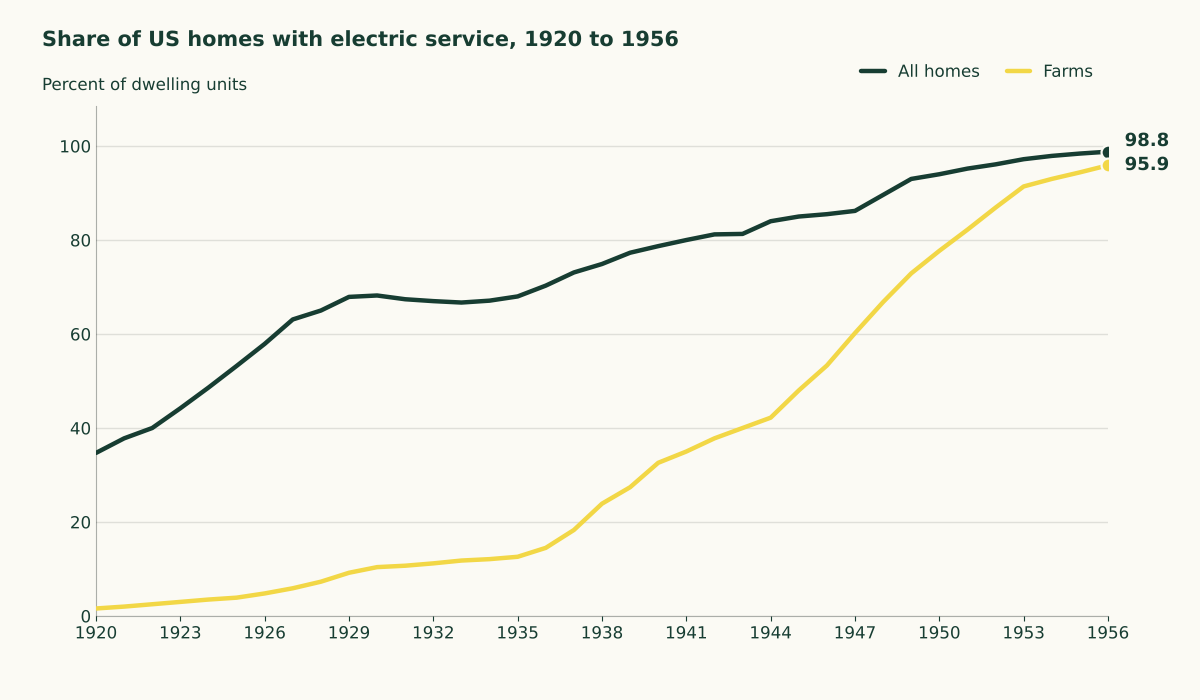
The gap between city and farm is the story. Nine out of 10 rural homes were without service as late as the mid-1930s, and farmers milked by hand in the dim light of a kerosene lantern. If you’d farmed then, you’d likely have worked by lantern.
Roosevelt created the Rural Electrification Administration on 11 May 1935, and NRECA, the electric co-op trade group, says more than 90% of US farms had electricity by 1953. The Census Bureau says EIA reports nearly every American household has access to electricity.
What a wired US home uses today
The average US home used 10,359 kilowatt-hours of electricity in 2024. Household electricity use swings most with climate, and Louisiana homes bought the most, 14,774 kWh each in 2022. The bill for that power depends on the price per kilowatt-hour where you live.